
Surviving Stage 6 Loadshedding with Reliable Energy
South Africa’s return to Stage 6 loadshedding has left households scrambling for alternatives to keep lights on, food cooked, and homes warm. With Eskom’s grid stretched to its limits, homeowners are increasingly turning to LP Gas—a dependable, off-grid energy source that bypasses rolling blackouts. For families tired of cold meals and cold showers, LP Gas installations offer a lifeline. In this blog, we explore how LP Gas can keep your household running smoothly during loadshedding, while highlighting the importance of safe, professional installations.
Why LP Gas Is the Ultimate Loadshedding Backup
Unlike electricity-dependent appliances, LP Gas systems operate independently of the grid. Here’s how they shine during Stage 6 outages:
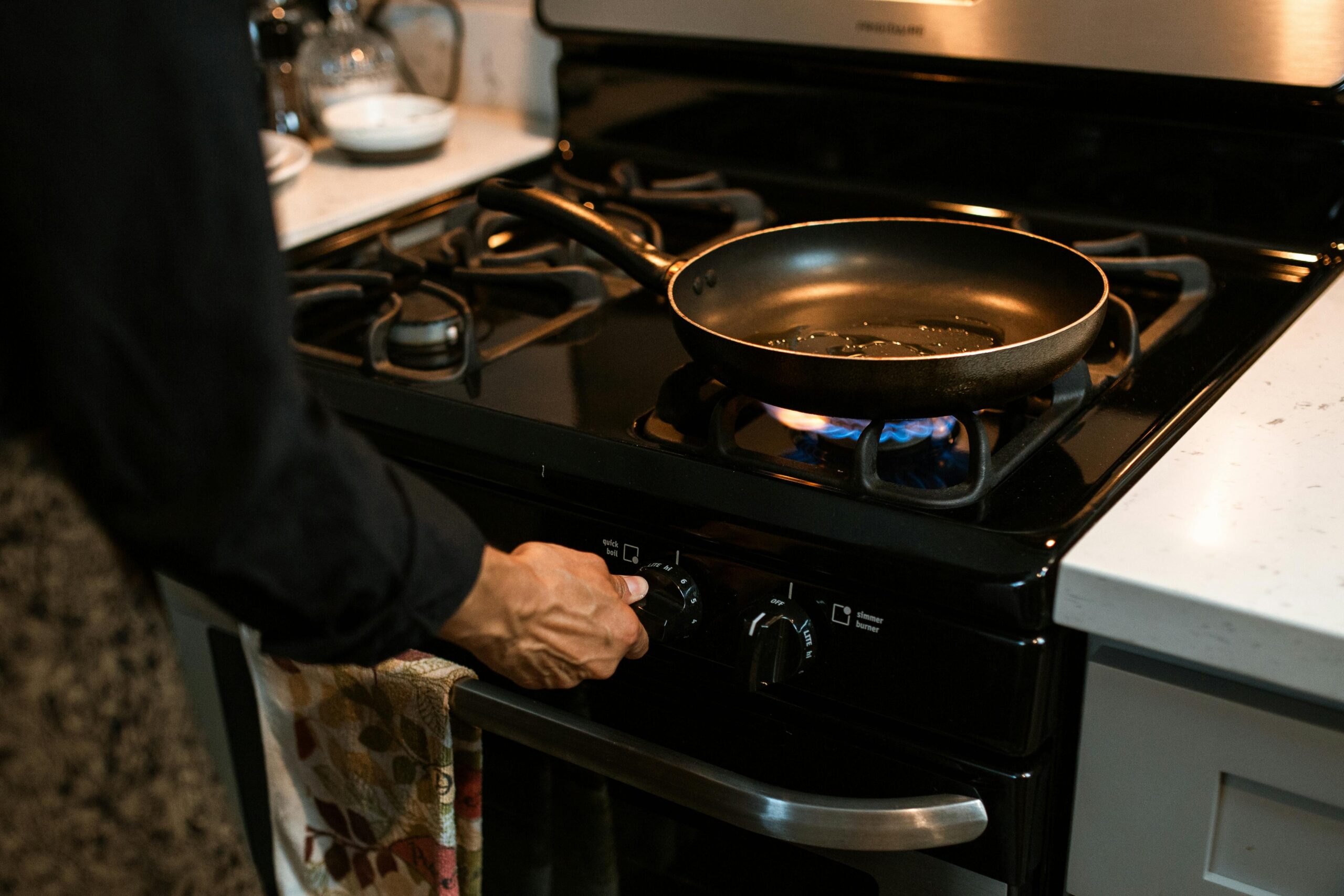
Uninterrupted Cooking: Gas stoves work flawlessly during blackouts, ensuring you can cook meals even in the darkest hours.
Hot Water On Demand: Gas geysers provide instant hot water without relying on electricity—no more icy showers.
Affordable Heating: Gas heaters keep homes warm during winter outages, offering a cost-effective alternative to electric heaters.
Cost Comparison:
While generators and solar systems require hefty upfront investments, LP Gas offers a budget-friendly solution with lower installation costs and no reliance on sunlight or fuel price volatility.
Safety First: Dispelling Myths About LP Gas
Many homeowners hesitate to adopt LP Gas due to safety concerns. Let’s set the record straight:
Myth: “Gas installations are dangerous.”
Fact: Modern LP Gas systems are incredibly safe when installed by certified professionals. Boleng adheres to strict SANS standards and local Gauteng regulations, ensuring leak-proof designs, secure tank placements, and compliant fittings.
Myth: “Gas is complicated to maintain.”
Fact: With routine inspections and professional maintenance (like Boleng’s post-installation support), LP Gas systems operate safely for years.
Key Safety Practices:
- Always use certified technicians for installations.
- Install gas detectors for added peace of mind.
- Store gas cylinders in well-ventilated, upright positions.
Transitioning to LP Gas: A Step-by-Step Guide
Ready to ditch loadshedding frustrations? Here’s how to get started:
Assess Your Needs:
Prioritise appliances that impact daily life most during outages—stoves, geysers, or heaters.
Choose the Right System:
Tank Size: Opt for 9kg cylinders for small households or 48kg tanks for larger homes.
Placement: Outdoor installations (e.g., in a ventilated cage) maximise safety and space.
Partner with Experts:
Boleng’s end-to-end service covers everything:
- Custom Design: Tailored systems for apartments, townhouses, or freestanding homes.
- Certified Installation: Compliant setups that meet South African National Standards.
- Ongoing Support: Maintenance plans to ensure efficiency and safety.
Beyond Loadshedding: Long-Term Benefits of LP Gas
While loadshedding may eventually ease, LP Gas offers lasting advantages:
Energy Independence: Reduce reliance on Eskom’s unstable grid.
Lower Bills: LP Gas is cheaper than electricity for cooking and heating—cut monthly costs by up to 30%.
Eco-Friendly: Gas produces fewer emissions than coal-powered electricity, aligning with greener living goals.
Why Choose Boleng for Your LP Gas Installation?
Boleng Mechanical Engineering Services & Consulting isn’t just a provider—we’re your partner in energy resilience.
- Gauteng-Based Expertise: Local knowledge of regulations and climate challenges.
- Safety Guaranteed: Full certification and compliance with SANS standards.
- 24/7 Support: Emergency repairs and maintenance to keep your system running smoothly.